Some links in this post are Amazon affiliate links. If you buy through them I earn a small commission at no extra cost to you. As an Amazon Associate I earn from qualifying purchases.
I learned guitar in Silver City, New Mexico, around the age of fourteen, from a neighbor who was a Navy veteran and had the patience to show a kid a few things. There was no video to pause and no app to tell me I was doing it wrong. You needed a guitar, a lot of stubbornness, and someone willing to sit down with you.
Those were the years of the Rolling Stones and King Crimson, and of guitarists who seemed to be playing something beyond the reach of normal people. Back then guitar players were treated like gods. Getting even a little bit good felt like a real accomplishment, because it was.
Everybody’s a guitarist
Then, over a few decades, something changed. Guitars got cheaper and better. Lessons moved online. Recording, practicing and sharing music all got easier. Today you can find a five-year-old playing things that would have made my teenage self quit in frustration.
At some point I caught myself thinking, everybody’s a guitarist. Not literally, but close enough. Simply being able to play stopped being remarkable. And it’s hard to complain about that. Gear is far easier to get these days, and a guitar is easier to keep playing well too, with so much support for players available.
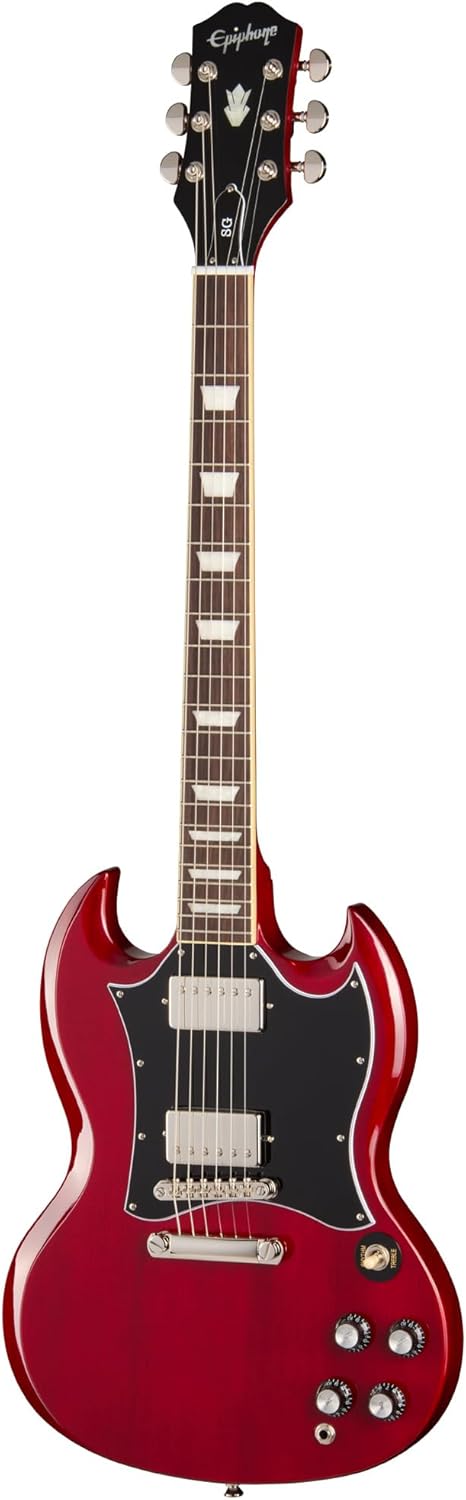
If you’re shopping for a first real electric
Epiphone “Inspired by Gibson” SG Standard — Cherry
Classic double-cut SG shape, a cherry finish, and the kind of bite that suits everything from blues to heavy riffs.
View on AmazonThat realization didn’t discourage me. It made things more interesting, because it raised a better question: if everybody can play, what makes someone an artist?
From guitarist to producer
My own path drifted away from the guitar as the only thing that mattered. I got pulled toward composition, synthesizers and recording, and the strange new possibilities of a computer as a studio.
I produced my first album in 2016, and it was a bigger job than I expected. The software was powerful, but finishing a piece of music still took time, experimentation and a lot of patience. I spent countless hours learning how to turn an idea in my head into something you could actually press play on. Eventually I released two albums of original material. It was frustrating and slow, and I wouldn’t trade it.
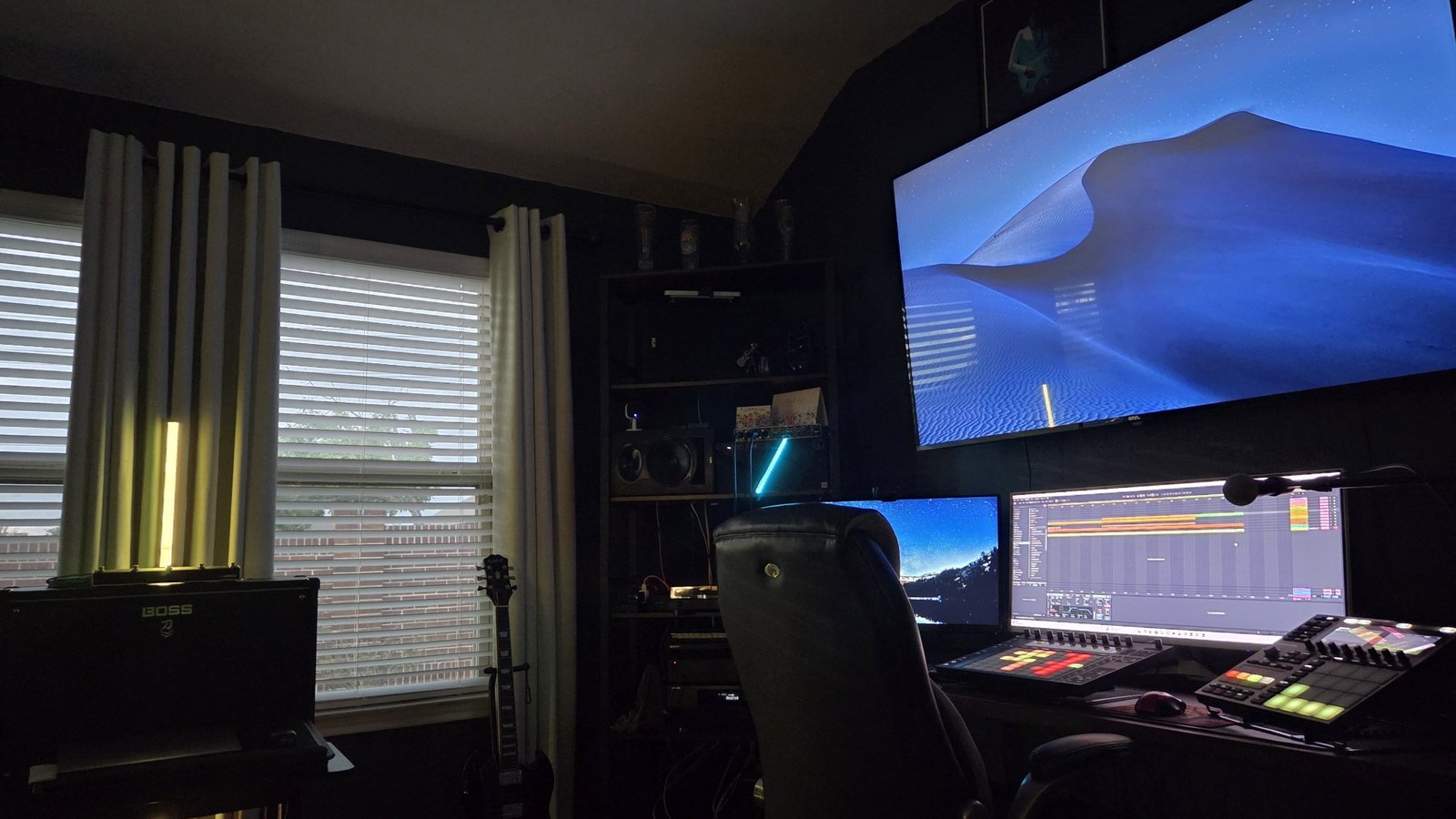
Somewhere in that process I realized I wasn’t only interested in playing an instrument anymore. I was interested in making music. The guitar became one tool among several: Ableton Live, Native Instruments, synthesizers and effects, all pieces of the same creative process.
And then came artificial intelligence
Now we’re in another shift. An idea that used to take hours or days of programming, recording and editing can be explored in minutes. You can describe a mood, a rhythm or a whole arrangement and hear an interpretation almost immediately.
I won’t pretend that isn’t extraordinary. If everybody’s a guitarist, then now everybody has the potential to be a music creator, even people who have never played a note. The barrier has dropped again, and this time it’s a bigger drop than learning an instrument.
Does that make everybody a musician?
If someone generates a song with AI, are they a musician? A producer? An artist? I think we’ll be arguing about that for years, and I suspect we’re asking the wrong questions.
For me, music was never only about technical skill. Skill matters, and so do experience and knowledge. But the part that makes music worth listening to is imagination, judgment, emotion, curiosity, and the need to say something. AI doesn’t take those away. It changes how you can express them.
AI as another instrument
I’m living this change myself right now. After decades of guitar, synths and traditional recording software, I’ve started using AI as part of how I work. Not because I’ve lost interest in playing or producing, but because I want to see what happens when it meets everything I’ve learned.
Here is where I draw the line. The writing, the playing and the final decisions are still mine. I might bring a finished composition into an AI tool, try different arrangements and unfamiliar textures, then take the results back into my recording software and shape them by ear. Sometimes it surprises me. Sometimes it gets things completely wrong. Now and then it sends my imagination somewhere I wouldn’t have gone on my own, and that’s the part I find worth chasing.

For listening closely, wherever you work
Beats Solo Wireless Headphones — Matte
Lightweight, wireless, and easy to take from the studio to the couch when you want to check how a mix holds up.
View on AmazonI’d call AI another instrument. An unusual one, but an instrument.
The changing meaning of talent
There was a time when a hot guitar solo set you apart from nearly everyone you knew. Then came affordable recording gear, software instruments, and home studios that could sound professional. Now AI is making even more of the production process available to anyone. Each step changes what we think of as exceptional.
That’s probably inevitable. When technical barriers fall, other qualities rise: taste, originality, imagination, and the ability to recognize something worth developing and make it your own. Those don’t become meaningless because making music got easier. If anything, they matter more.
Everybody’s a music god. Now what?
Maybe the next stage is a world where nearly anyone can make music that sounds technically polished, where everybody is a kind of music god. If everyone has that power, what separates one artist from another?
I think the answer is the same as it always was. What do you have to say? What interests you, what moves you, what are you trying to express? Technology can turn those ideas into sound, but it can’t give them meaning.
I’ve spent most of my life watching the tools of music change, from a teenage kid learning guitar in New Mexico to a home studio to AI. It has been one long transformation, and I don’t see it ending soon.
Maybe everybody really is a guitarist now. Maybe someday everybody will be a music god. But the interesting part was never just having the ability to make music.
It’s deciding what to create with it.